
01
Deployable by design
Think of the power plant as an asset that can be configured, transported, positioned and commissioned around the site.
Jwalath Energy LLP · Hyderabad
AmunRa Hybrid Mini & Micro Power Hubs bring generation, storage and intelligent energy control closer to the load — built for sites that need power in places conventional infrastructure does not serve well.
The platform
AmunRa is designed around a repeatable power-hub architecture rather than a fixed-site plant. The configuration can be sized around the demand, the available energy resources and the constraints of the location.
Think of the power plant as an asset that can be configured, transported, positioned and commissioned around the site.
Combine solar, vertical-axis wind and battery storage under one coordinated operating layer.
Start from the actual demand profile, operating pattern and site constraints rather than forcing one fixed plant layout.
Mini & Micro Power Hubs
Micro and Mini configurations share the same underlying approach. The difference is the amount of power required and how the plant is modularly configured for the site.
For smaller distributed, isolated or single-facility loads where conventional infrastructure may be impractical.
For larger commercial, industrial, campus and community-scale demand where modular capacity can grow with the site.
Applications
Illustrative AI-generated 4K visuals show the environments where AmunRa Hybrid Mini & Micro Power Hubs can be configured. Fuel, highway and EV applications specifically feature flexible solar panel architecture.
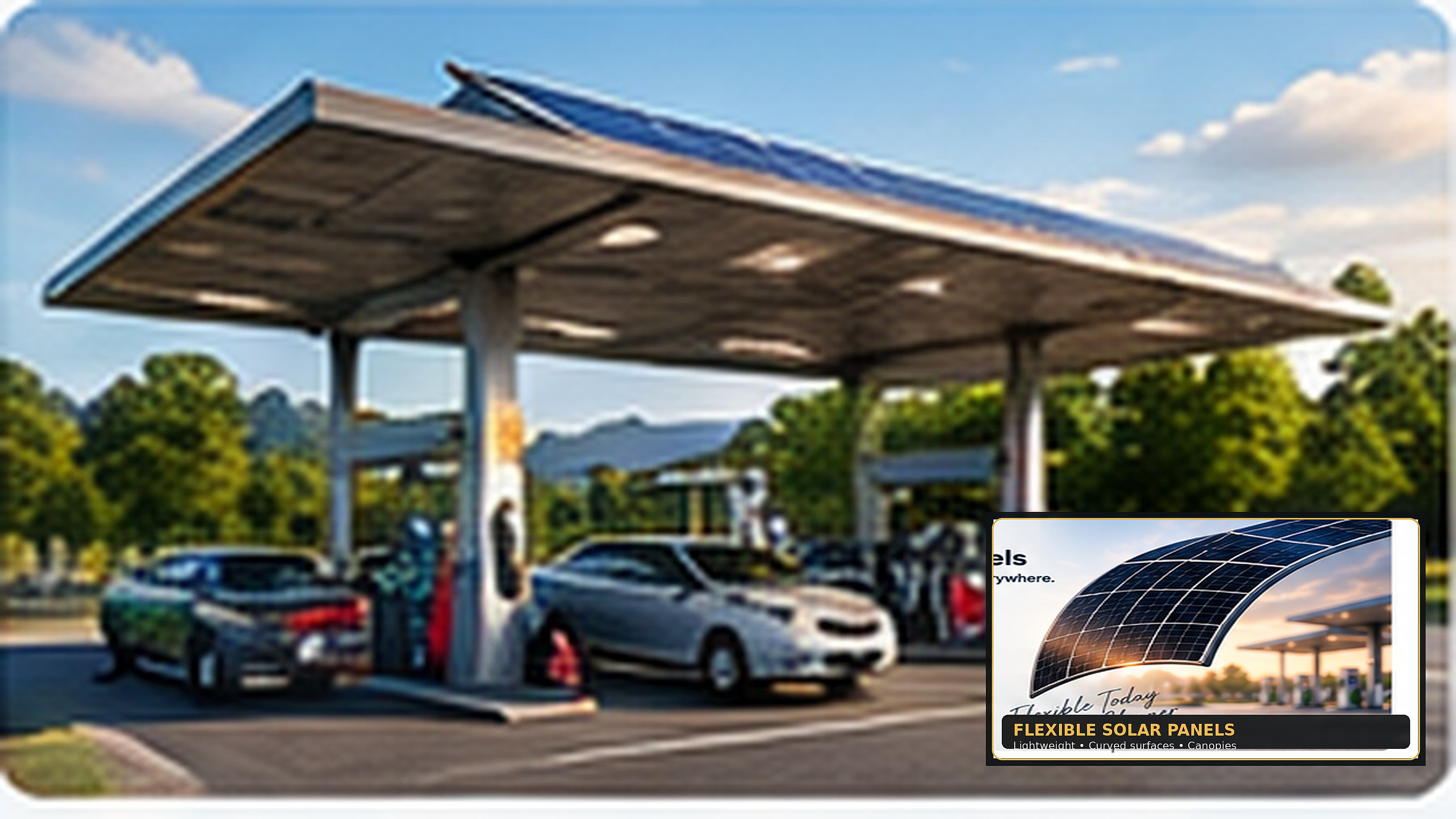
Flexible solar panels can conform to canopy surfaces while adding on-site generation for operations and EV charging.
Flexible Solar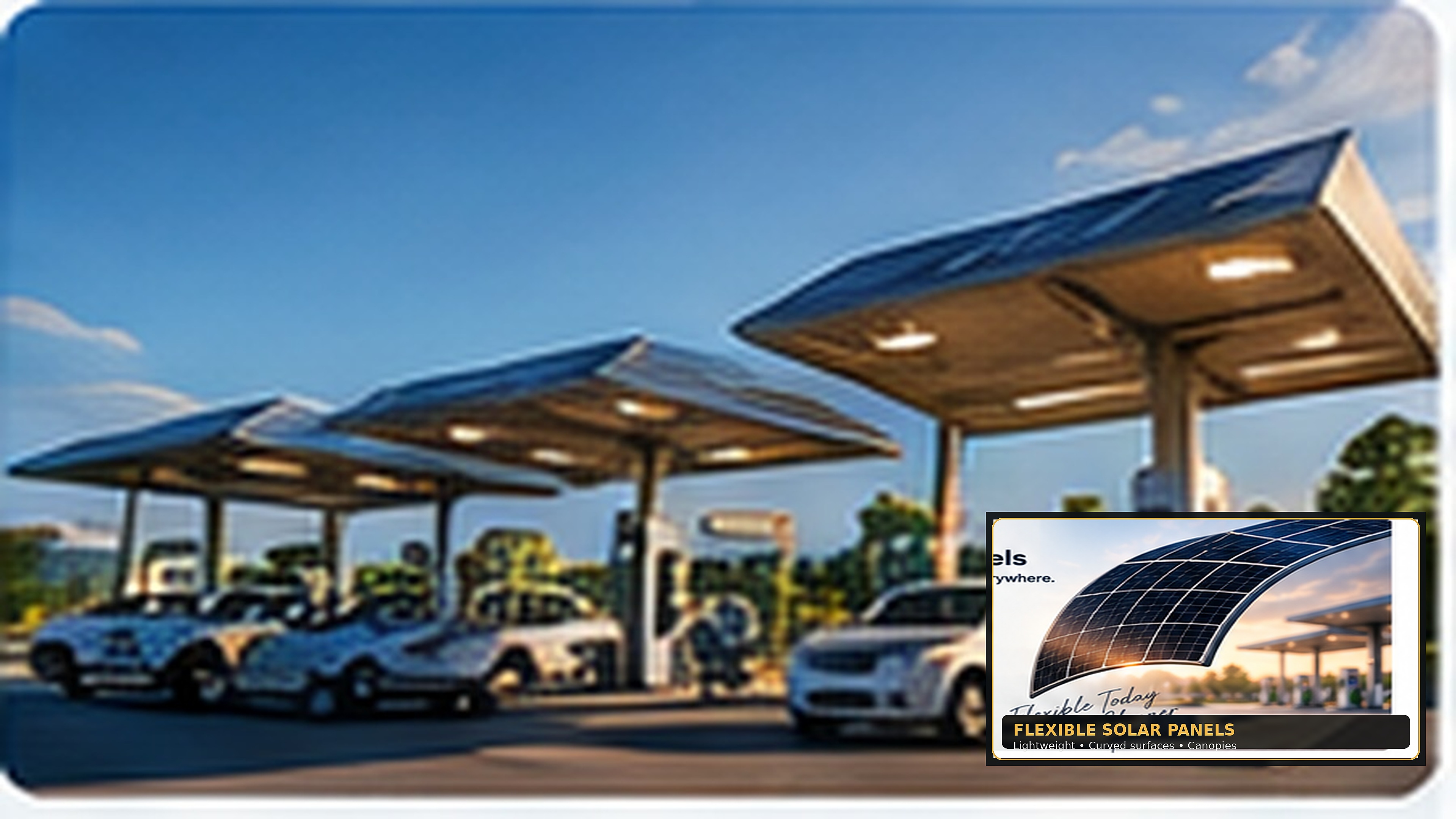
Use flexible solar panels across charging canopies to add lightweight generation close to high-demand charging loads.
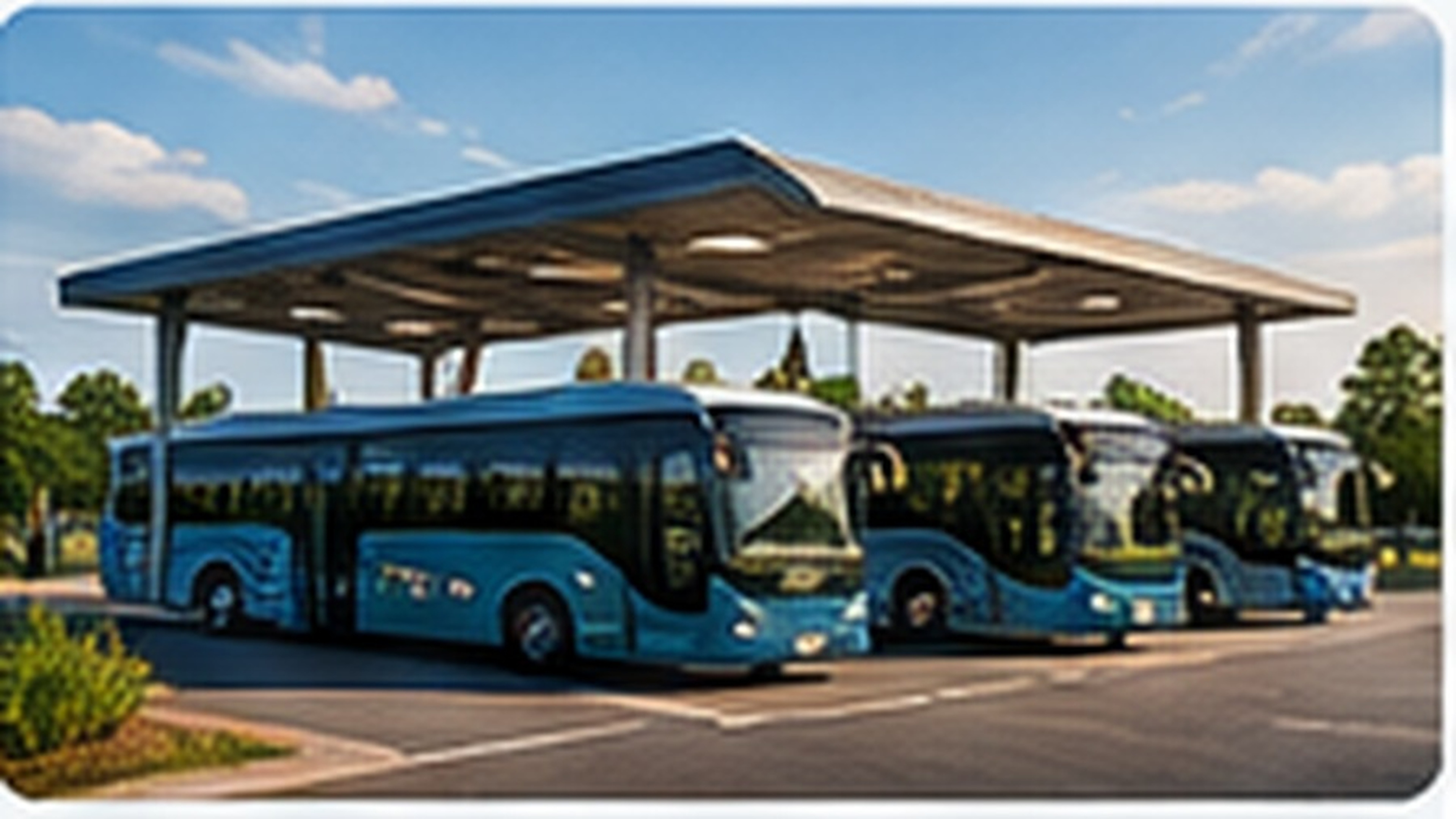
Configure power around fleet charging schedules, operating windows and depot demand.
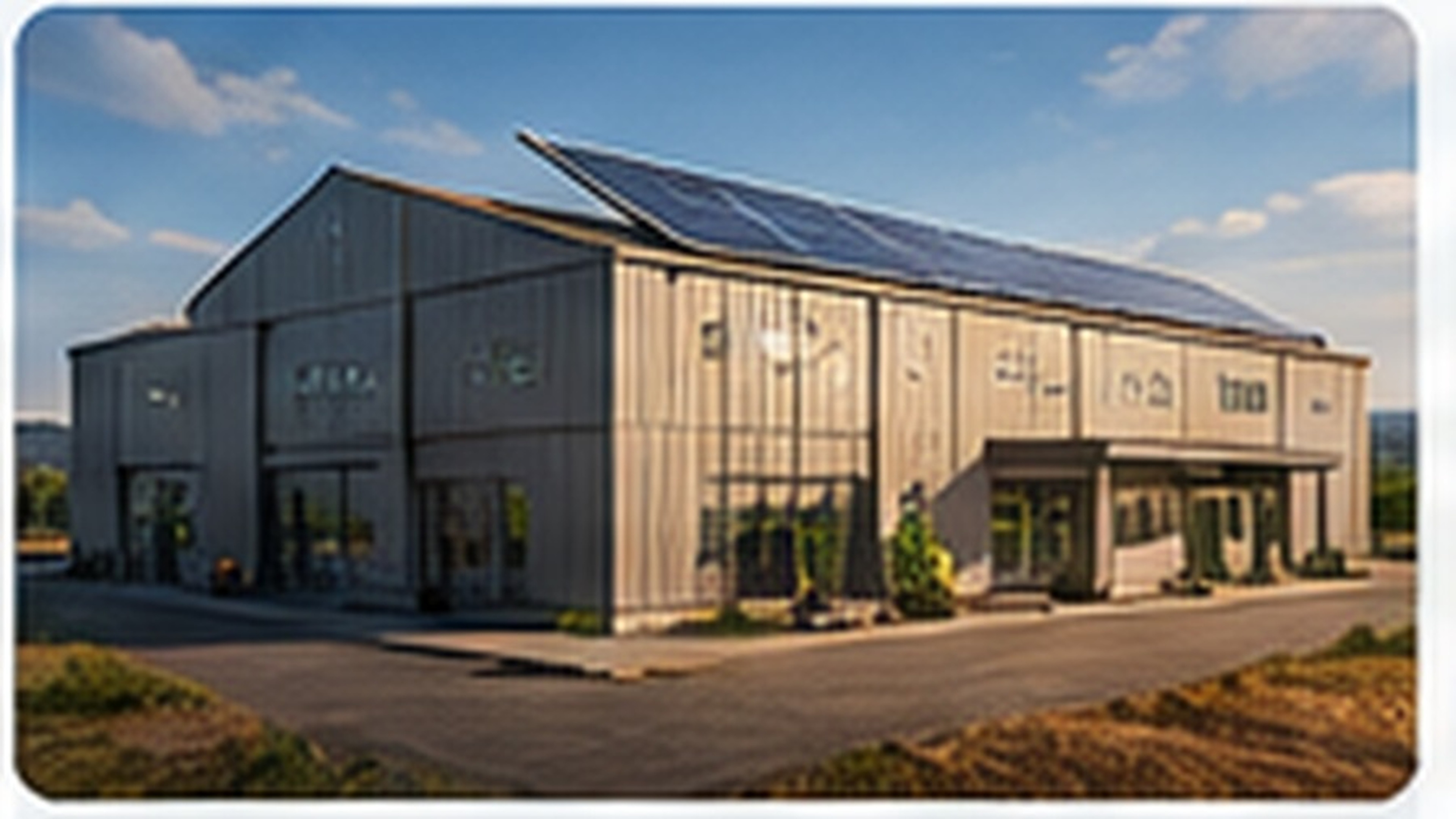
Bring generation and storage closer to process loads and existing electrical infrastructure.

Support schools, universities, research facilities and corporate campuses with distributed clean-energy infrastructure.

Design power resilience around hospitals, healthcare campuses and critical operations where continuity matters most.
Provide a modular power core where extending a conventional connection is difficult or uneconomic.
Our process
A structured delivery path keeps engineering, approvals, deployment and long-term operations connected from day one.
Site assessment, load profile, energy analysis and feasibility.
Hybrid system design, sizing and techno-commercial configuration.
Regulatory, grid and statutory compliance support.
Procurement, installation, integration and commissioning.
Performance visibility, controls and optimization.
Remote support, operating procedures and performance management.
Preventive and corrective maintenance for sustained uptime.
Benefits
We design the project around energy economics, compliance and long-term operating value—not generation alone.
Reduce purchased-energy exposure through on-site generation, storage and optimized dispatch.
Where permitted, eligible surplus energy can be exported or credited under applicable state/DISCOM rules.
Screen the project for applicable central or state schemes, incentives, concessions or financing support.
Support statutory, electrical, grid-connection and documentation requirements through the project lifecycle.
Increase renewable-energy contribution, improve resilience and support measurable sustainability objectives.
Use storage and coordinated control to improve continuity around critical or high-value loads.
Incentives, net-metering treatment, tariffs and approval requirements vary by state, DISCOM, consumer category and project configuration. Final eligibility is confirmed during site-specific engineering and regulatory review. MNRE’s rooftop-solar programme and ALMM requirements are examples of rules that can affect eligible projects.
Special offering
Lightweight solar modules open up surfaces that are difficult to serve with conventional rigid-panel systems—especially canopies, curved roofs, transport applications and irregular structures.

Technology
The value of the platform comes from coordinating generation, storage, conversion and control as one deployable architecture.
AmunRa is conceived as a coordinated energy platform. The system can combine renewable generation, battery storage and power conversion around the actual site load and operating profile.
Final equipment selection, ratings and control strategy are determined during site-specific engineering.
About Jwalath Energy
Jwalath Energy LLP is based in Hyderabad, India, with a focus on deployable power infrastructure through the AmunRa Hybrid Mini & Micro Power Hub platform.
The company is developing a practical architecture for distributed generation, storage and intelligent control — with configurations intended to adapt to the site rather than require the site to adapt to a fixed plant.
Start a conversation
Share the location, approximate load, operating profile and what you need the power hub to support.